Why Childhood Education is So Important
Childhood education is vital for a child's cognitive, emotional, and social development. It lays the foundation for future academic success and benefits society by promoting long-term opportunities.
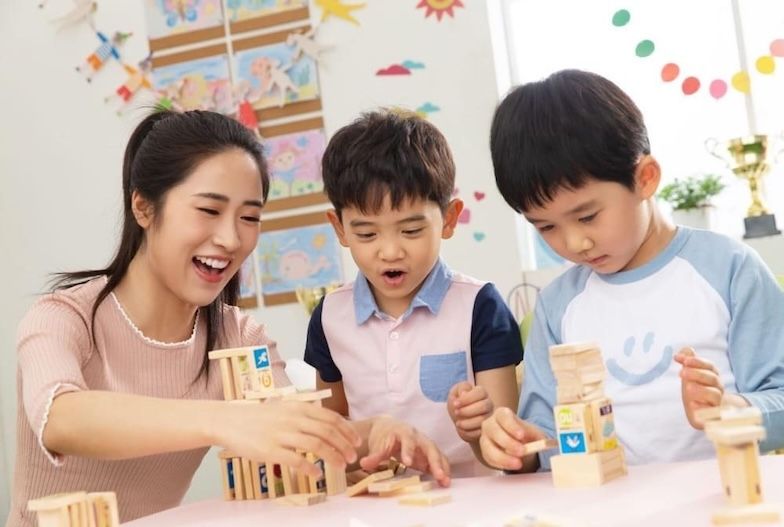
Childhood education is one of the most crucial stages in a child’s development, laying the foundation for their academic, social, and emotional well-being. In the early years, children’s brains are highly receptive, and the experiences they have during this time significantly shape their future. From cognitive abilities to social skills, childhood education plays a vital role in helping children grow into well-rounded, successful individuals. In this blog, we will explore why childhood education is so important, focusing on its impact on cognitive development, emotional growth, social skills, and long-term success.
1. Cognitive Development and Early Learning
Cognitive development is the process by which children learn to think, reason, and understand the world around them. Early childhood education plays a significant role in this area. During the first few years of life, the brain develops rapidly, making it an ideal time for children to acquire foundational skills in literacy, numeracy, and problem-solving. Research has shown that children who receive early education tend to perform better in school later on.
At the core of childhood education is the idea that learning begins at birth. Early learning experiences, such as reading to children, engaging in imaginative play, and providing them with diverse opportunities for exploration, can help to establish the cognitive skills necessary for success in later education. By encouraging children to explore, ask questions, and solve problems, early childhood education fosters a lifelong love of learning.
2. Emotional Development and Self-Regulation
Another key aspect of childhood education is emotional development. Children who engage in early educational settings learn to recognize and manage their emotions in a positive way. They also develop a sense of empathy, learning to understand the feelings of others. This emotional intelligence is crucial for healthy social interactions and relationships throughout life.
In early education environments, children also learn self-regulation, which is the ability to control one’s emotions, behaviors, and impulses. Self-regulation is important for children to function effectively in social and academic settings. Educators often use strategies such as role-playing and guided discussions to help children identify and regulate their emotions. By learning these skills early, children are better equipped to navigate the challenges of school and life.
3. Social Skills and Peer Interaction
Childhood education fosters social development by providing children with opportunities to interact with their peers. These interactions are essential for developing social skills such as sharing, cooperation, and conflict resolution. In a classroom setting, children learn how to work in groups, communicate their needs, and understand different perspectives.
Social skills are not only important for school success but also for success in life. Children who develop strong social skills early on are more likely to succeed in later relationships, both personal and professional. Early education helps children learn how to build relationships with their peers and adults, which are crucial for their emotional well-being.
4. Preparing for Long-Term Academic Success
The benefits of childhood education extend far beyond the early years. Research has consistently shown that children who attend quality early education programs are more likely to perform well academically in later years. These children tend to score higher on standardized tests, have better reading and math skills, and demonstrate greater cognitive abilities than their peers who did not have access to early education.
Early education provides children with a structured environment where they can develop the skills needed to succeed academically. It introduces children to the routines of school, helping them adapt to formal learning environments. Moreover, early childhood education encourages the development of critical thinking and problem-solving skills, which are necessary for academic success.
5. Long-Term Benefits for Society
Investing in childhood education also has long-term benefits for society as a whole. Studies have shown that children who attend high-quality early education programs are more likely to graduate from high school, attend college, and have successful careers. These children are also less likely to engage in criminal behavior or require social services later in life.
By ensuring that all children have access to quality early education, society can break the cycle of poverty and create more opportunities for future generations. Investing in childhood education not only benefits individual children but also strengthens communities and economies in the long run.
6. The Role of Parents and Caregivers
While formal education plays a critical role in a child’s development, parents and caregivers also have a profound impact on early childhood learning. Parents can foster cognitive, emotional, and social development by providing enriching home environments that encourage curiosity and learning. Simple activities like reading with children, engaging in conversations, and creating opportunities for play all contribute to a child’s growth.
Furthermore, parents can support their child’s emotional development by providing love, stability, and encouragement. Children thrive in environments where they feel secure and valued. When parents are actively involved in their child’s learning, it can boost the child’s confidence and motivation, which in turn positively impacts their educational journey.
7. The Importance of Quality Early Childhood Education Programs
Not all childhood education programs are created equal. The quality of early childhood education programs has a significant impact on the outcomes for children. High-quality programs are characterized by well-trained educators, a curriculum that promotes all areas of development, and a nurturing environment that supports children’s emotional and social well-being.
Parents should consider factors such as teacher qualifications, class size, and the overall learning environment when selecting early education programs. Quality early childhood education programs provide a strong foundation for children to succeed in school and in life.
8. Addressing Gaps in Access to Childhood Education
One of the biggest challenges in childhood education is ensuring that all children, regardless of their socioeconomic background, have access to quality early education. Children from disadvantaged backgrounds often face barriers to accessing early education, which can have long-term consequences for their development and academic success.
Governments, communities, and organizations must work together to address these disparities and ensure that all children have access to high-quality childhood education. Providing funding for early education programs, improving teacher training, and ensuring that families have the resources they need are essential steps toward achieving educational equity.